Gregorian Chant
-
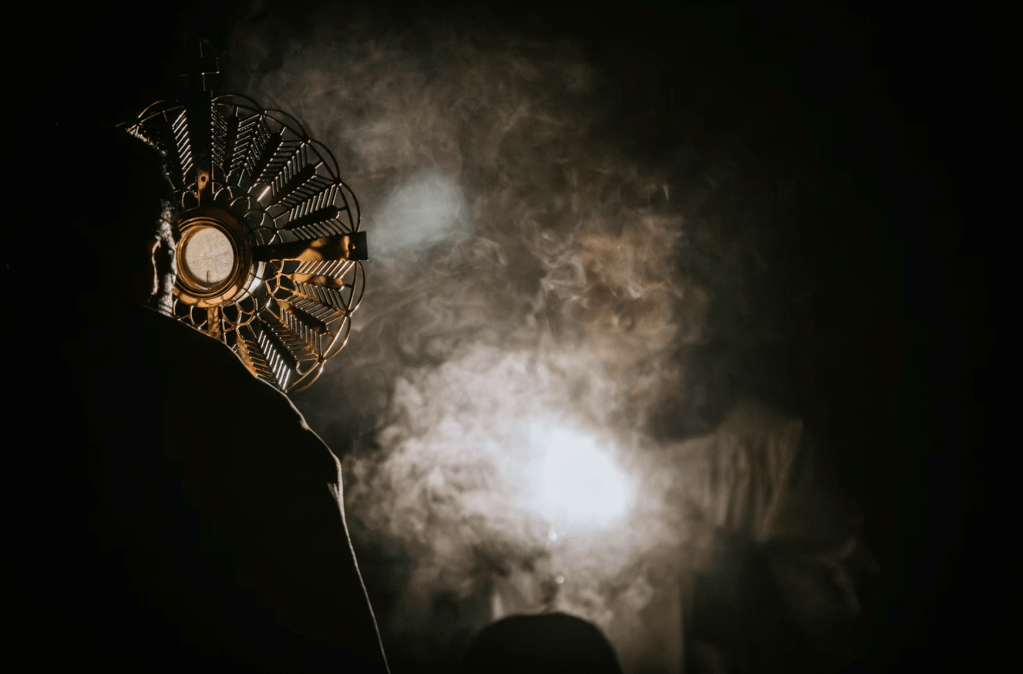
Pange Lingua/Tantum Ergo (Gregorian Chant): Latin Text, English Translation, and Meaning
Pange Lingua is one of the most important Latin hymns connected to the Eucharist. It is…
-
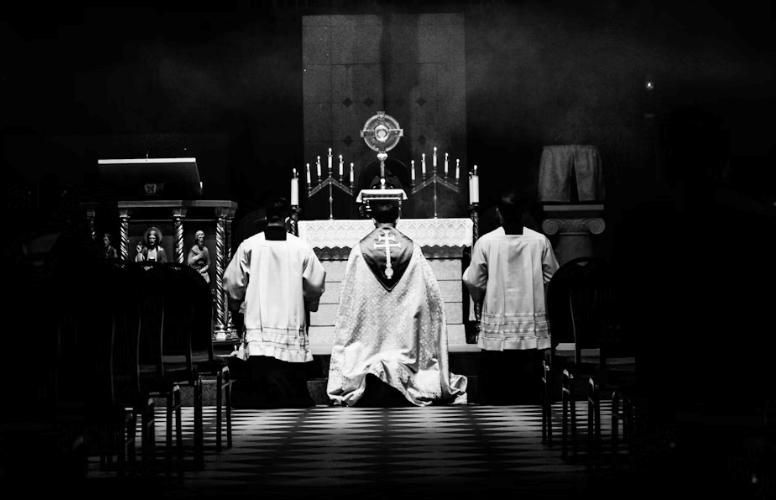
Mortem Tuam: Latin Text, English Translation, and Meaning in the Mass
Mortem Tuam is a short text, but it sits in one of the most important places…
-
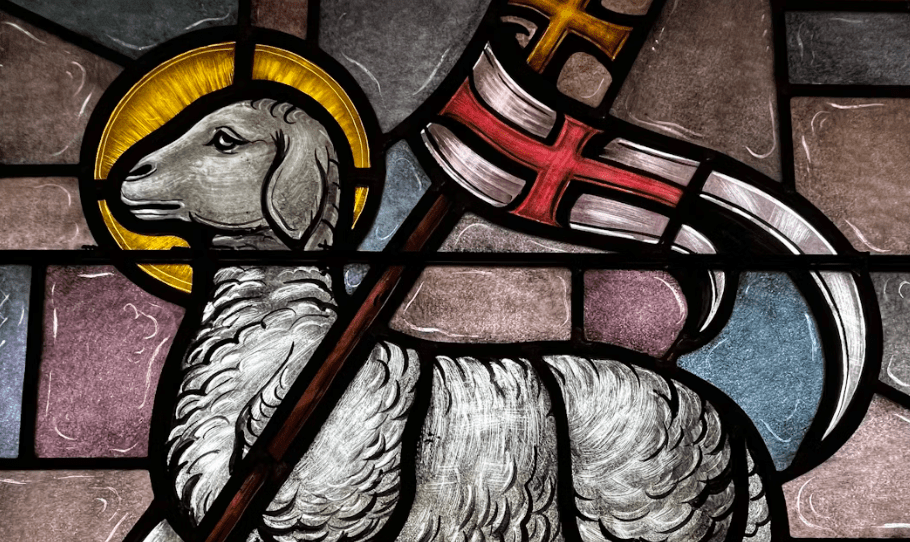
Agnus Dei (Missa de Angelis VIII): Latin Text, English Translation, and Meaning in the Mass
The Agnus Dei comes near the end of the Mass, just before Communion. By this point,…
-
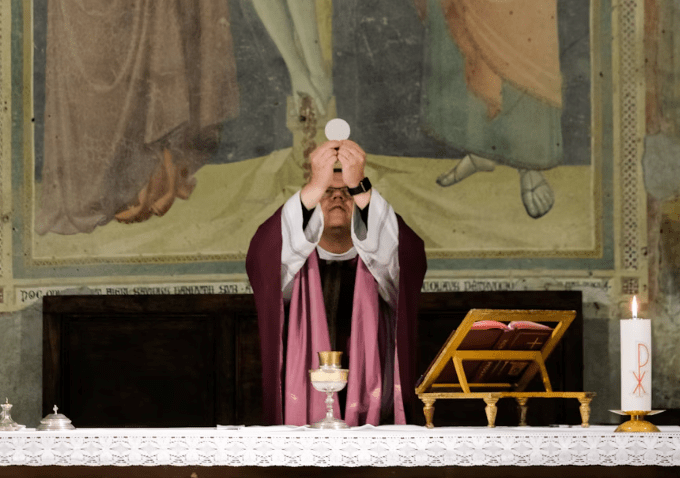
Sanctus (Missa de Angelis VIII): Latin Text, Translation, and Meaning in the Mass
The Sanctus is one of the clearest moments of praise in the Mass. It doesn’t ask…
-
Kyrie (Missa de Angelis VIII): Meaning, Greek Text, English Translation
The Kyrie from Missa de Angelis is one of the best-known Gregorian chant settings in the…
-
Credo (Mass III): Latin Text, English Translation, and Meaning in the Catholic Mass
The Credo (the Creed and full statement of the definitive truths of our faith) is the…
-
Agnus Dei (Jubilate Deo): Latin Text, English Translation, and Meaning
The Agnus Dei is sung near the end of the Mass, just before Communion. By then,…
-
Sanctus (Jubilate Deo Mass Parts): Latin Text, English Translation, and Perennial Meaning
The Sanctus is one of the great moments of praise in the Mass. It is a…
-
Kyrie (Jubilate Deo Mass Parts): Greek Text with English Translation, and the Prayer’s Deep Meaning
The Kyrie is one of the shortest prayers in the Mass, but no one should take…
-
Gloria (Missa de Angelis VIII): Original Latin Text, English Translation, and Role in the Mass
The Gloria is pure praise, and one of the oldest and most expansive hymns in the…

